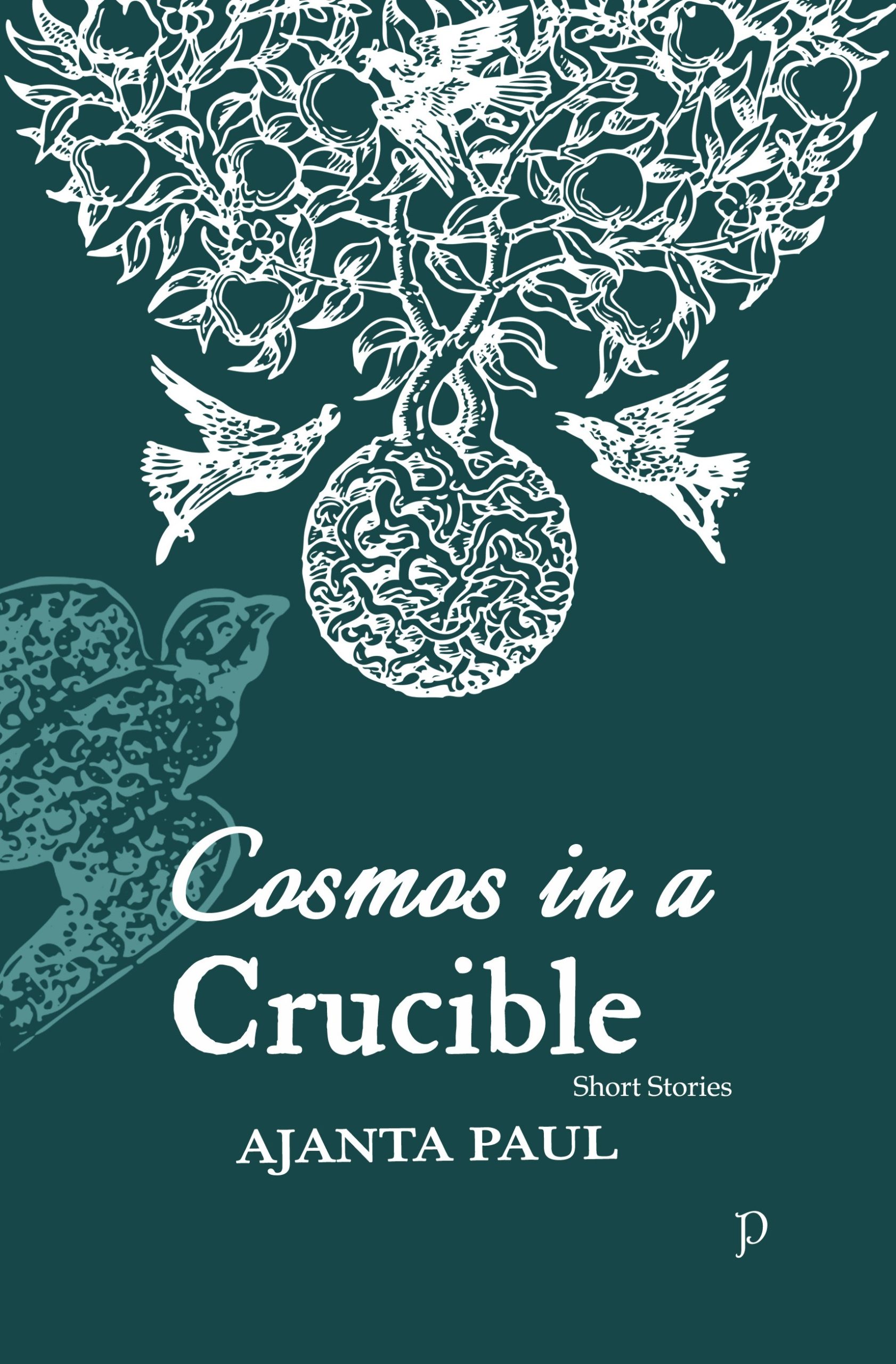
Cosmos in a Crucible by Ajanta Paul
₹350.00
- Publisher : PENPRINTS; First Edition (3 January 2026)
- Language : English
- Paperback : 123 pages
- ISBN-10 : 8199671351
- ISBN-13 : 978-8199671355
- Reading age : 12 years and up
- Item Weight : 200 g
- Dimensions : 13.97 x 5.08 x 20.32 cm
- Country of Origin : India
- Packer : PENPRINTS, P 925 Lake Town, Block-A, Kolkata-700089, West Bengal, India. Phone no-8697875467 Website – www.penprints.in
- Generic Name : Books
Related products
-
 Add to cart
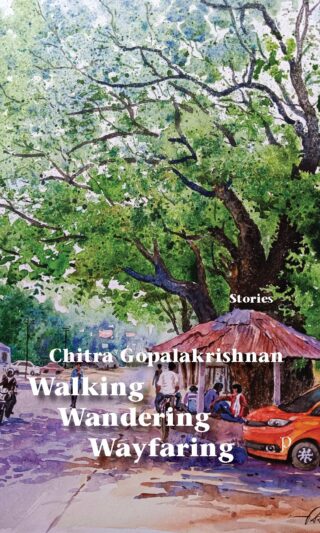
Walking, Wandering, Wayfaring, a collection of short stories, uses the ‘literature of journey’ genre and its premise of the quest for meaning, both as scaffolding and metaphor, to intertwine travels of the body, mind, and spirit. As these voyages are not separate or linear and written into the emotional core of each narrative, this collection deliberately sets aside the order of the pursuit, bringing forward the ‘way’ as the vibrant space where the seeking happens. The narratives immerse the readers in the physical, nomadic wanderings of both men and women, the latter’s often more anarchist and map-less—on roads, highways, mountains, fields, rivers, ponds, forests, cities, villages, village squares, mofussil towns, and even cremation grounds—each a treacherous terrain where the route is not an inert backdrop but actively influences the traveller and their thoughts.
Even as the wayfaring shakes up the sojourners’ illusory sense of normalcy and routines, and pitches them between despair and hope, and belonging and un-belonging, it ignites within them a life energy, an élan vital, that brings deliverance, as they become the path and exude its spirit of freedom. As people tramp on their journeys, not necessarily by choice but certainly by necessity, the question lingers: did the wanderer find the way, or did the way find the wanderer?
The tales, at the same time, focus on individuals experiencing a ‘rite of passage’, as their minds transition from one way of life and perspective to another. While they reflect on the fragility of the human psyche, they also celebrate growth, transcendence, and healing.The collection also engages in a contrasting journey, an unhurried one, of letting go—releasing the hinges of ‘I’ and ‘mine’—where characters discover that true freedom, the site of all meaning, lies in liberating all transient paths and attachments, and in recognising the God within themselves—to find an enormous, true, permanent, healing and luminous world that reveals the cosmic significance of existence.
-

Raahi by Sreetanwi Chakraborty
₹300.00Add to cartভালবাসা, সম্পর্ক আর বিচ্ছেদের মোলায়েম যন্ত্রণায় বোনা এক অনুপম ছোটগল্প সঙ্কলন শ্রীতন্বী চক্রবর্তীর ‘রাহী’। পাহাড়, শহর, ভ্রমণ আর স্মৃতির অলিগলিতে হাঁটতে হাঁটতে মানুষ খুঁজে পায় নিজের হারানো মুখ। এখানে প্রেম কখনও আশ্রয়, কখনও নির্বাসন; সম্পর্ক কখনও বন্ধন, কখনও মুক্তির পথ। প্রতিটি গল্পে নীরব অনুরণনে বাজে অপেক্ষা, বিচ্ছেদ আর পুনর্মিলনের সুর—যেখানে হৃদয়ের গভীরে জন্ম নেয় এক চিরযাত্রা, নাম তার ‘রাহী’।‘রোপওয়ে’ গল্পে পাহাড়ি যাত্রার মাঝখানে পুরনো প্রেমের মুখোমুখি হওয়া—অতীতের স্মৃতি আর বর্তমানের দ্বন্দ্ব একসাথে কেঁপে ওঠে। ‘পুরস্কার’-এ কর্পোরেট সাহিত্যজগতের আড়ালে লুকিয়ে থাকা নিঃসঙ্গতা ও অপ্রত্যাশিত অনুভব নতুন সম্পর্কের ইঙ্গিত দেয়। ‘রাহী’ নিজেই এক ভ্রাম্যমাণ প্রেমিকার গল্প—ভালবাসা, পাহাড়ি নদী ও অভিমানের মধ্যে দিয়ে এক নারীর অন্তর্গত যাত্রা। ‘অরিজ়ুরুর কথা’-য় কাগজের সারসের মতো ভঙ্গুর জীবনে জন্ম নেয় আশার আলো, যেখানে অসুস্থতার মধ্যেও নতুন সম্পর্ক জীবনের মানে বদলে দেয়। ‘শ্রাবণ’-এ বিদেশের শহরে এক গবেষক ও হিউম্যানয়েডের প্রেম, ঈর্ষা ও স্বীকারোক্তির ভেতর দিয়ে সম্পর্কের রূপান্তর ধরা পড়ে। ‘প্রেক্ষাপ্রিয়’, ‘ব্ল্যাক প্যান্থার’, ‘রাইরাংপুরের চিঠি’, ‘পত্রপাঠ’ ও ‘অকস্মাৎ’—এই গল্পগুলোতে রয়েছে দূরত্ব, স্মৃতি, চিঠি আর হঠাৎ ঘটে যাওয়া সাক্ষাতে বদলে যাওয়া জীবনের দিকনির্দেশ। নাটকের জীবন, আর জীবনের নাটক, সব মিলিয়ে, ‘রাহী’ হল হৃদয়ের যাত্রাপথ—যেখানে প্রেম কখনও আশ্রয়, কখনও নির্বাসন, আর বিচ্ছেদও হয়ে ওঠে আত্ম-অন্বেষণের এক নীরব গান।
-
 Add to cart
Ketaki Datta is an Associate Professor of English with W.B.E.S. She is a novelist, short story writer, poet, translator, editor and reviewer. She has two novels to her credit, “A Bird Alone” [2008] and “One Year for Mourning” [2014]. She has translated three novels, “Shesh Namaskar: The Last Salute” [Sahitya Akademi, 2013], “Jarasandha’s Paadi: The Voyage” [Booksway, 2009], “Dhruvaputra” by Amar Mitra (in press), Selected Short Stories of Rabindranath Tagore in Translation” [Avenel, 2015]. Some of her notable translations are “Kumarsambhab and Sakuntala” in “Pracin Sahitya” [Visva Bharati and CENTIL, J.U.,2017], “Nineteenth Century Women’s Writing and Writing for Women in Translation” [Bhawanipur Education Society College and CENTIL, J.U.,2015], “Pratibha India”, anthologies like “Three Stories” by Tapan Bandyopadhyay [2012] etc. Datta’s umpteen translated stories were published in “Indian Literature” [Sahitya Akademi]. Her “Oral Stories of the Totos” has been recently published by Sahitya Akademi [2021]. Her short stories have been published in different anthologies in India and abroad, and also in The Sunday Statesman, Contemporary Vibes etc. “The Music of Eternity” – A Collection of Poems has been published by Penprints in 2023.
-
 Add to cart
Kaberi Chattopadhyay was born and brought up in the bewitching state of Assam renowned for its breathtakingly beautiful natural bounties. She did her Graduation (Hons.) from Calcutta University and B.Ed from NEHU (North Eastern Hill University) Shillong, Meghalaya respectively. She worked as a teacher of English at Ramkrishna Vivekananda Mission and later in Army Public School, Barrackpore. Recently her Autobiography “Peeping Through my WINDOW” has been published. “The Twilight Bells” is her debut poetry book, where she tries to explore and delve deep into different areas of human identity. Along with that, her short story collection “The Bindupara Tales & The Four-Lettered Word Love” was published by Penprints.